|
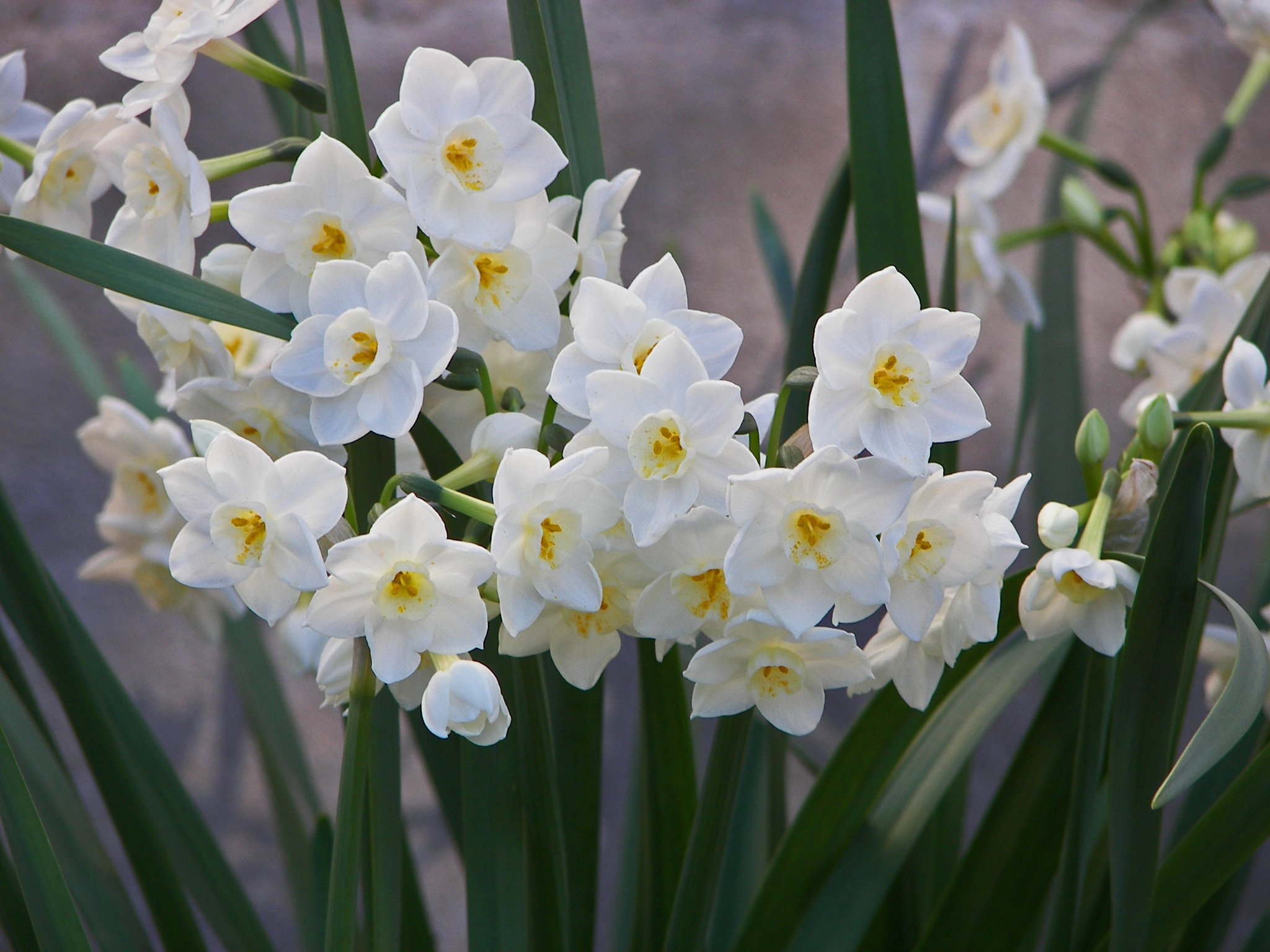
BULBS -- Paperwhites (Narcissus tazetta)
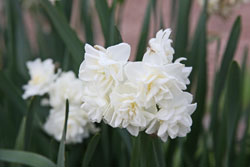
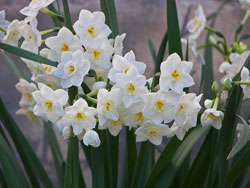
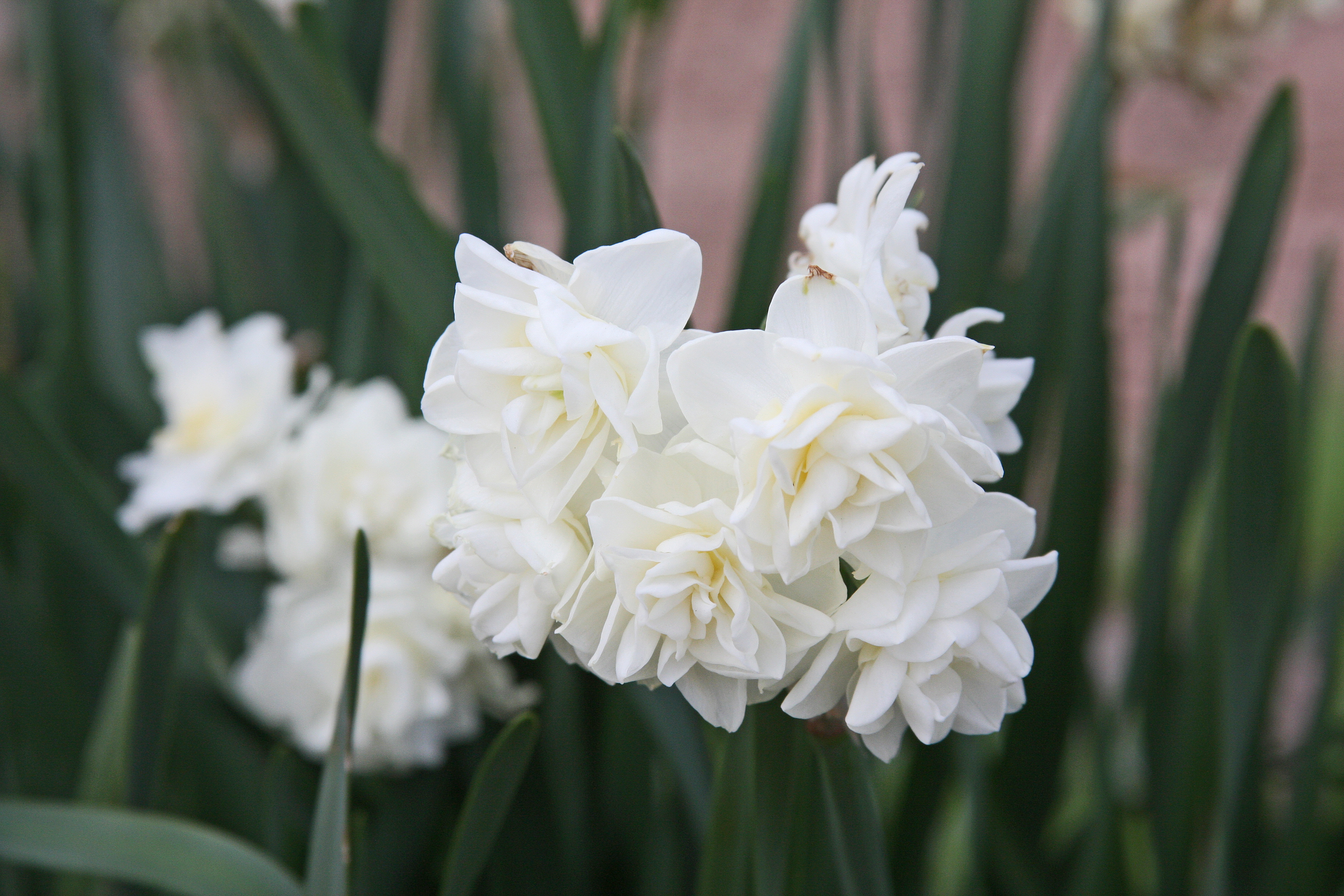
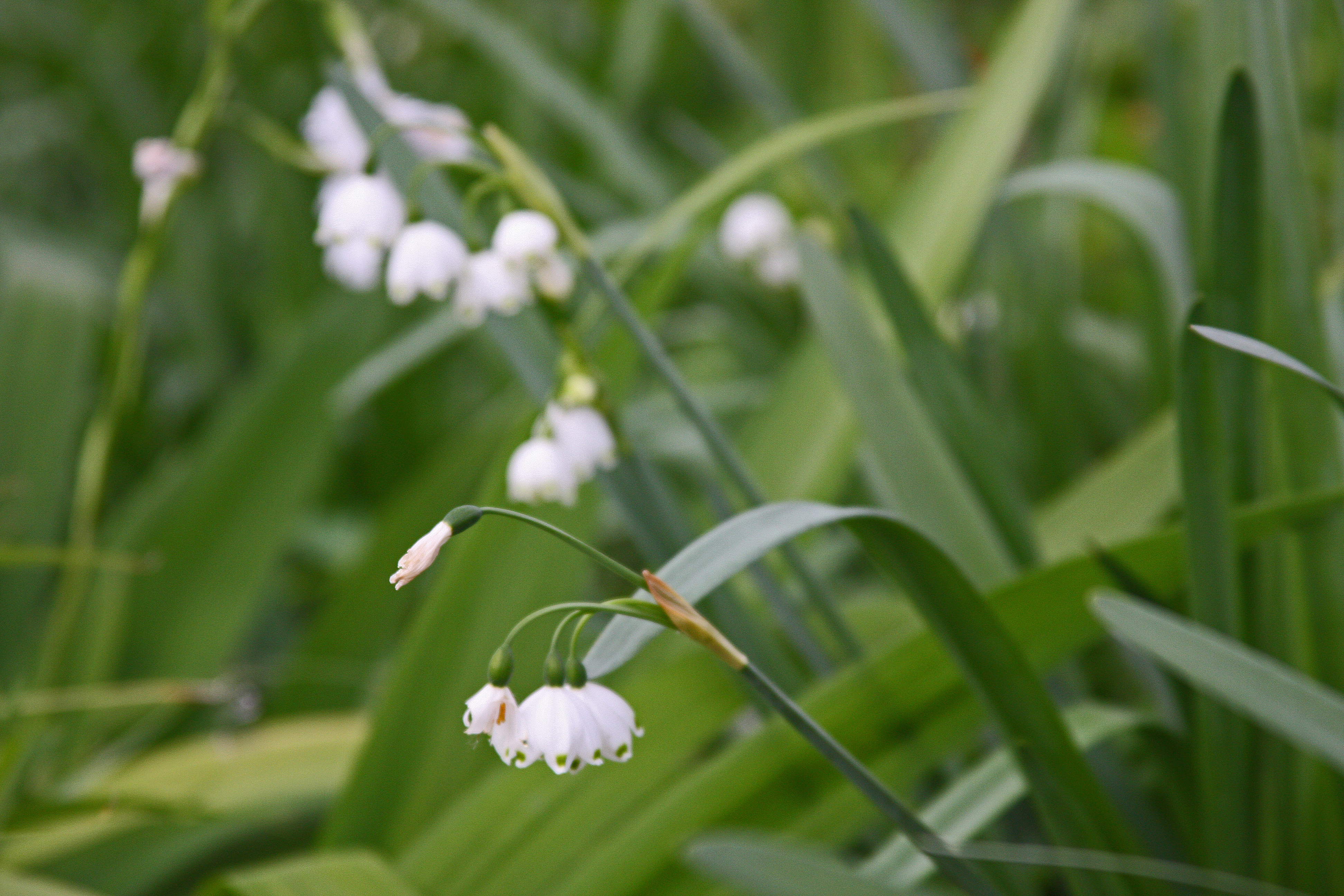
Paperwhites (Narcissus tazetta) provide fragrant white or yellow flowers on dark-green luxuriant stalks. Plant the bulbs in autumn in the sun or under deciduous trees and the paperwhites will naturalize to bloom every year.
Deer pass up narcissus in most neighborhoods. When one thinks of spring bulbs their first thoughts usually turn to tulips. Sorry to say it, but tulips belong in Holland where they are produced. Tulips, like many of the Dutch bulbs, require a definite cold period during the winter to initiate flowering and a mild growing season to develop foliage for next year’s flower. Wonderfully fragrant hyacinths are also one of the most popular spring flowering bulbs. Unfortunately, the same scenario for the tulips, also applies to hyacinths.
See: http://plantanswers.com/arcadia_pages/narcissus.htm
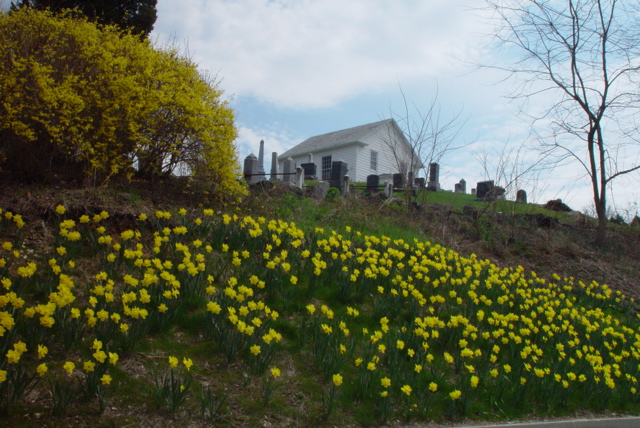
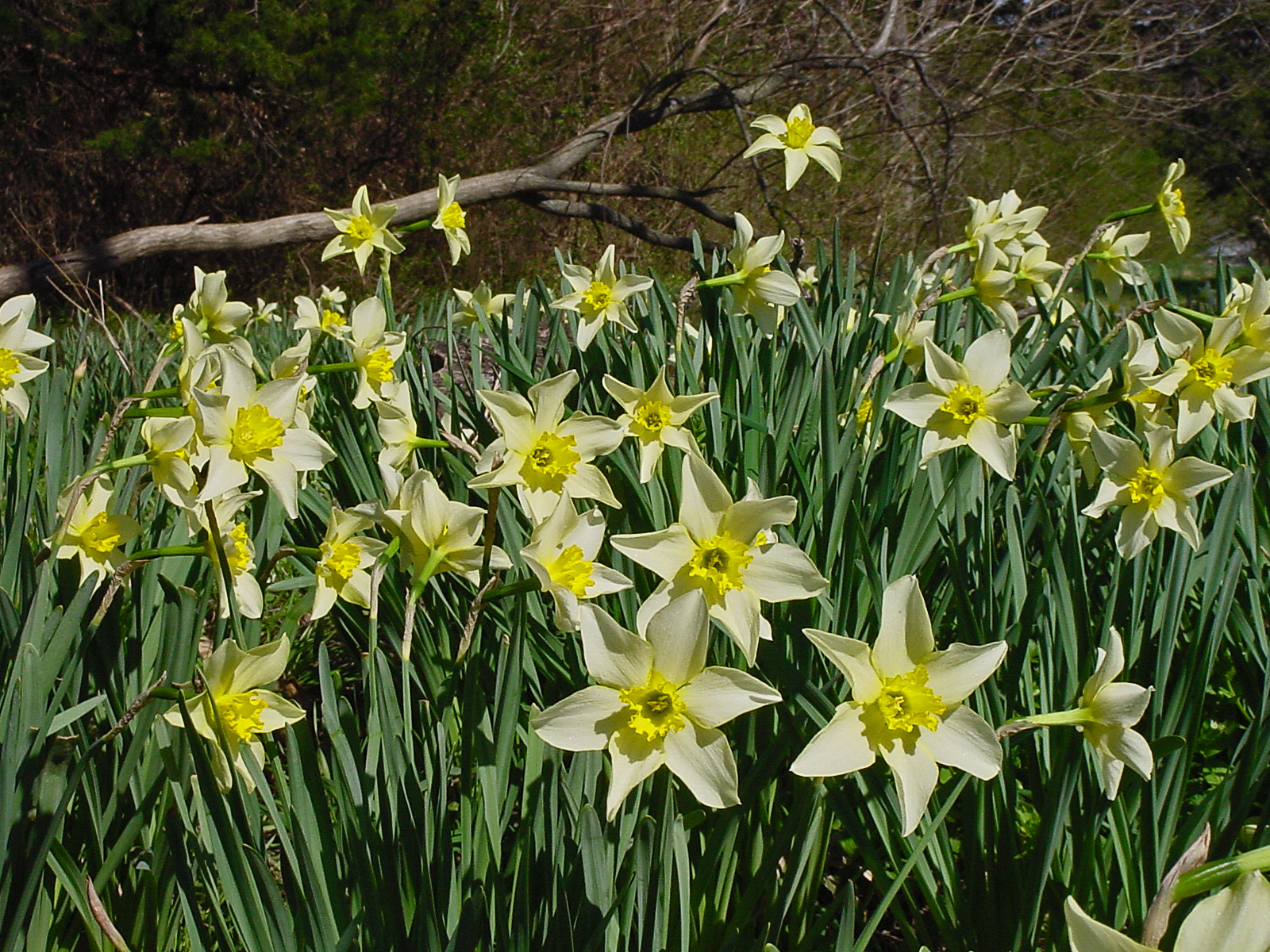
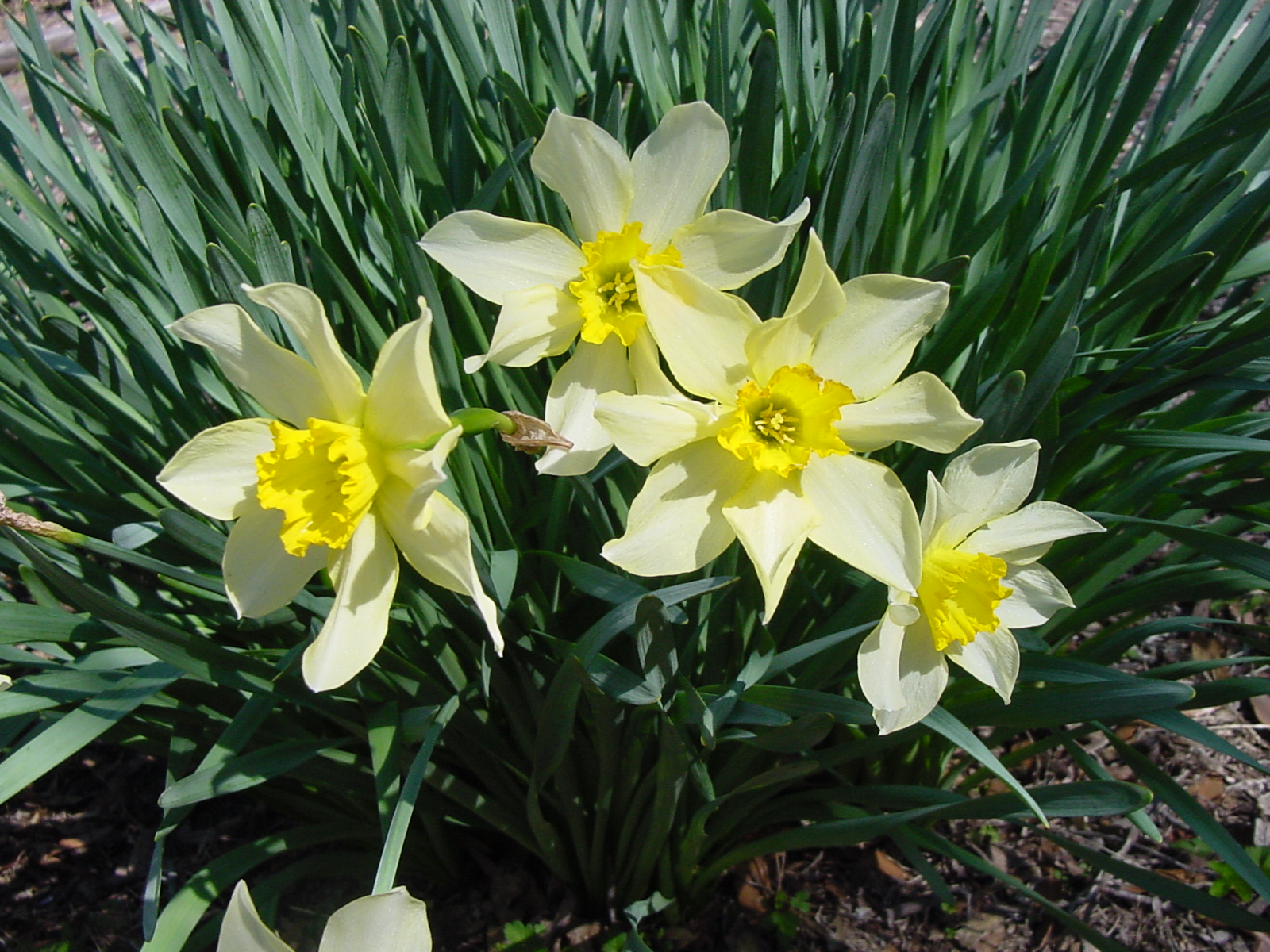
Daffodils (Treviathan and Campernelle)
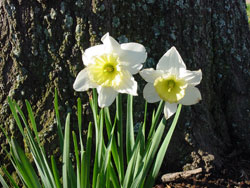
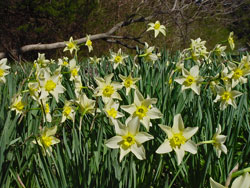
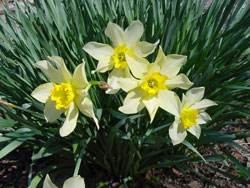
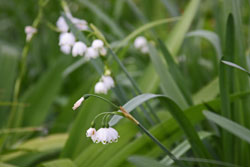
The true king of spring flowering bulbs is the narcissus. There are many species and types of narcissus including what are commonly known as daffodils, jonquils, and paperwhites. As a general rule, the larger the flower a narcissus has, the less adapted it will be. The smaller flowered types and the cluster flowered types are easier and more permanent. Another general rule also applies. Only the early blooming types are truly adapted. This allows them to bloom and mature foliage while the temperatures are still mild. Most bulb catalogs list what class the narcissus belongs to and whether it's early, midseason, or late blooming. If you will choose mainly from classes 7, 8, and 10, choose older cultivars, choose those that say they naturalize well, and only choose those that say they're very early, early, or early midseason blooming, your chances of success will be much higher. And if you must plant daffodils, choose smaller trumpet sizes.
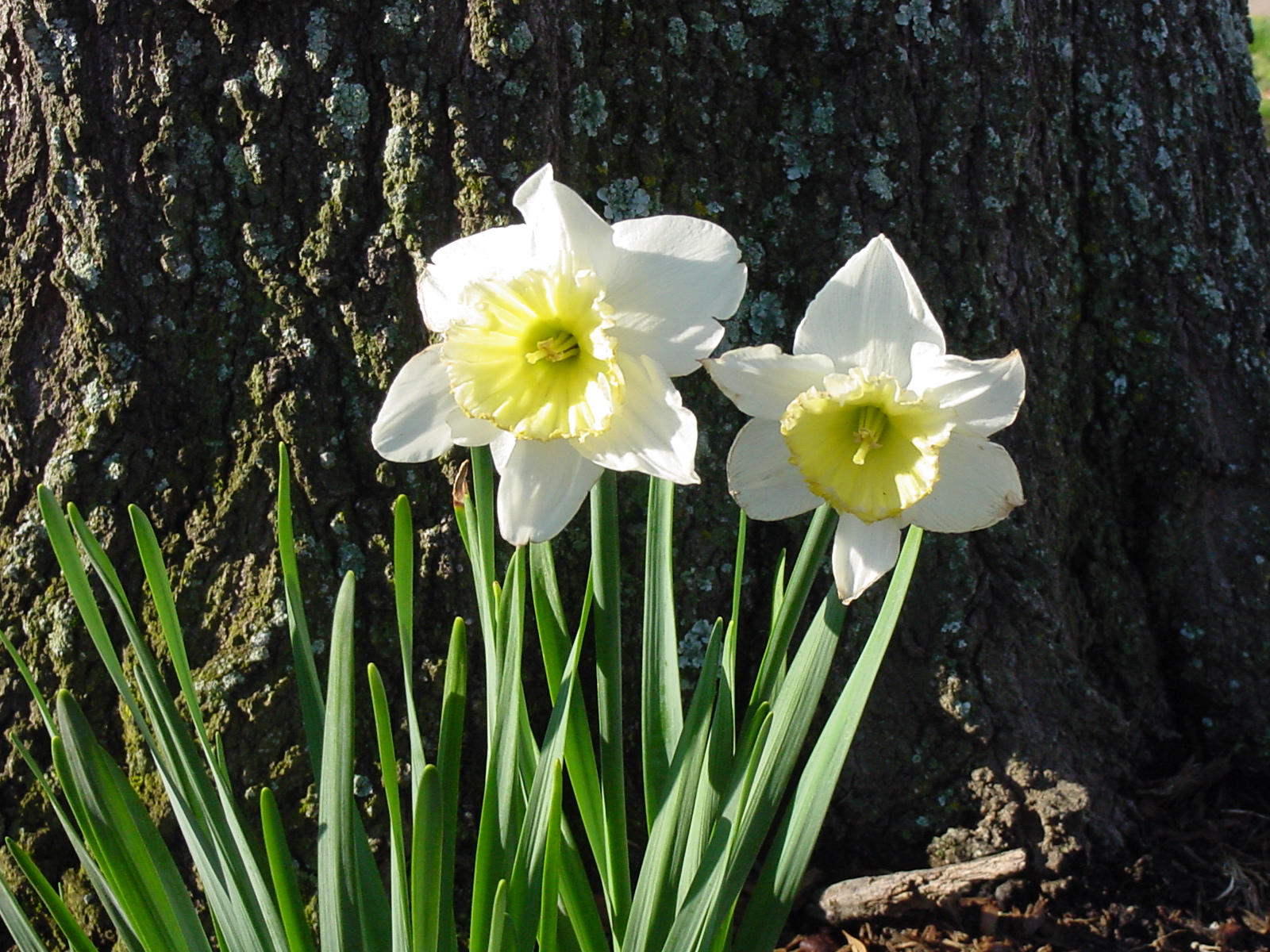
Daffodils (classes 1, 2 and 3) which you might want to try include: Unsurpassable, a large golden "King Alfred" type; Carbineer, a medium sized yellow with an orange cup; Carlton (considered one of the best), a medium sized yellow with a darker cup; Golden Harvest, a large sized yellow; Ice Follies, medium sized white with a yellow cup; or Mount Hood, a large white.
Jonquils (class 7) are small yellow cluster flowered narcissus with a heavenly sweet fragrance which lead to their nickname "sweeties." Although most jonquilla hybrids are late blooming, the species and it's early hybrids are early and well adapted. These include Narcissus jonquilla (jonquil); N. x odorus ; and N. intermedius (a cross between the jonquil and the cluster flowered tazetta). Cultivars worth trying are Trevithian and Golden Perfection.
See: http://plantanswers.com/arcadia_pages/narcissus_odorus.htm
|