Search For The Answer
Click here to access our database of
Plant Answers
Search For The Picture
Click here to access the Google database of plants and insects
Information Index
Alphabetical Listing of Topics, Recommendations and Plants


Milberger's Nursery and Landscaping
3920 North Loop 1604 E.
San Antonio, TX 78247
210.497.3760
charlesmartelli@milbergernursery.com

Open 9 to 6 Mon. through Sat.
and 10 to 5 on Sun.


Three exits east of 281, inside of 1604
Next to the Diamond Shamrock station
Please click map for more detailed map and driving directions.


Click here


May

JanuaryFebruaryMarchAprilMayJuneJulyAugustSeptember OctoberNovemberDecember

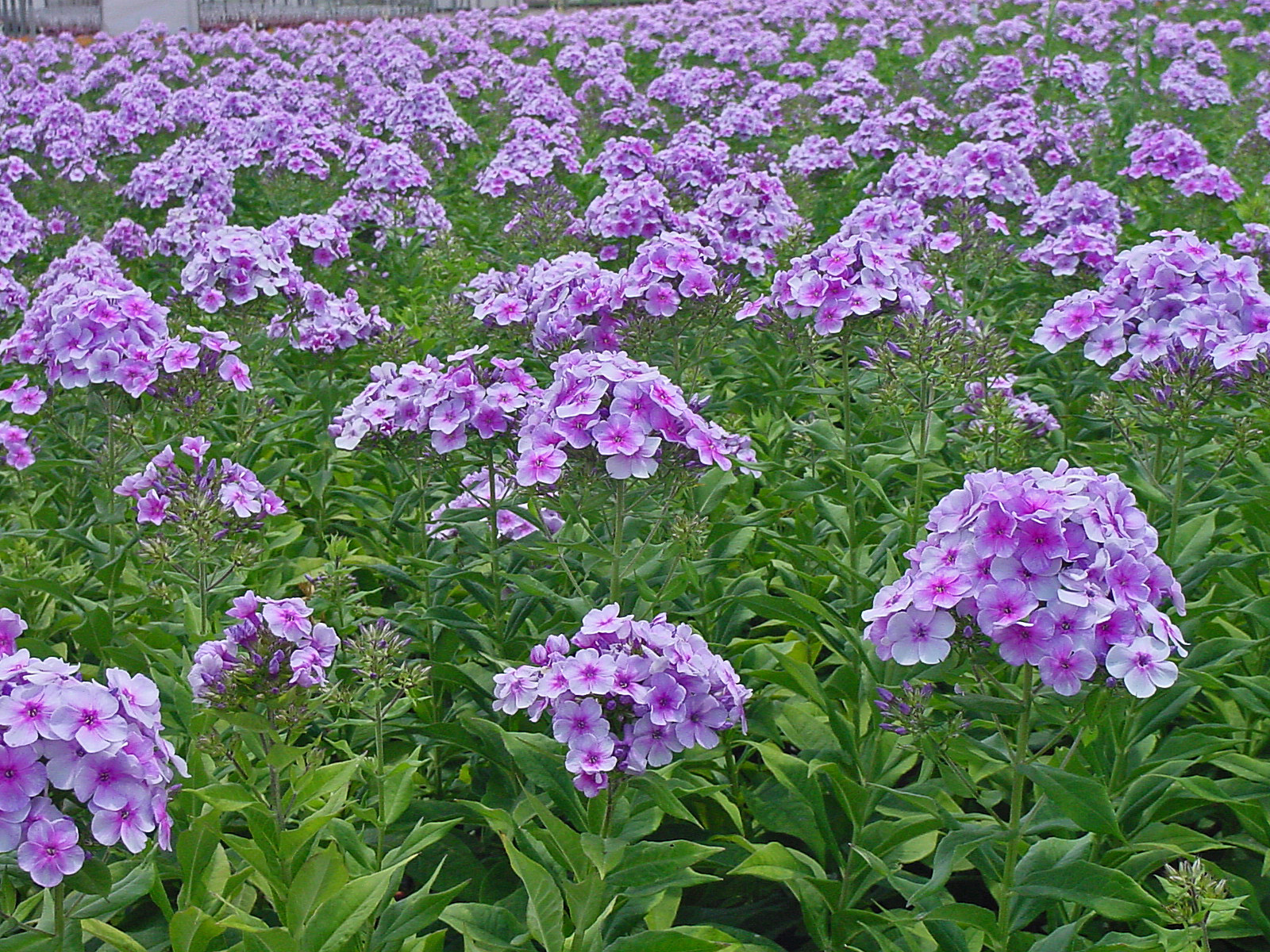
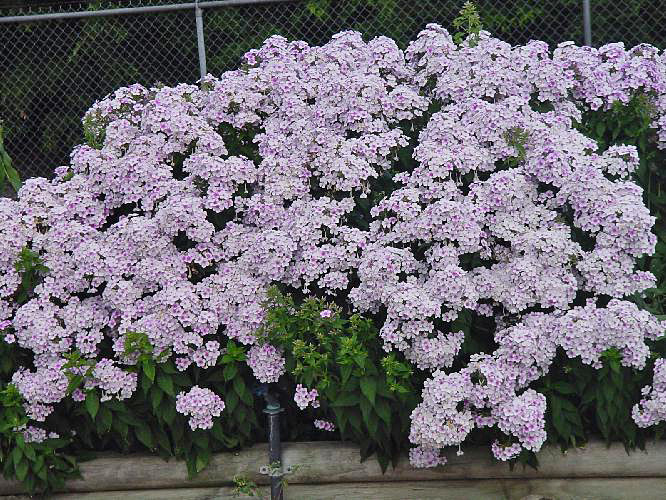
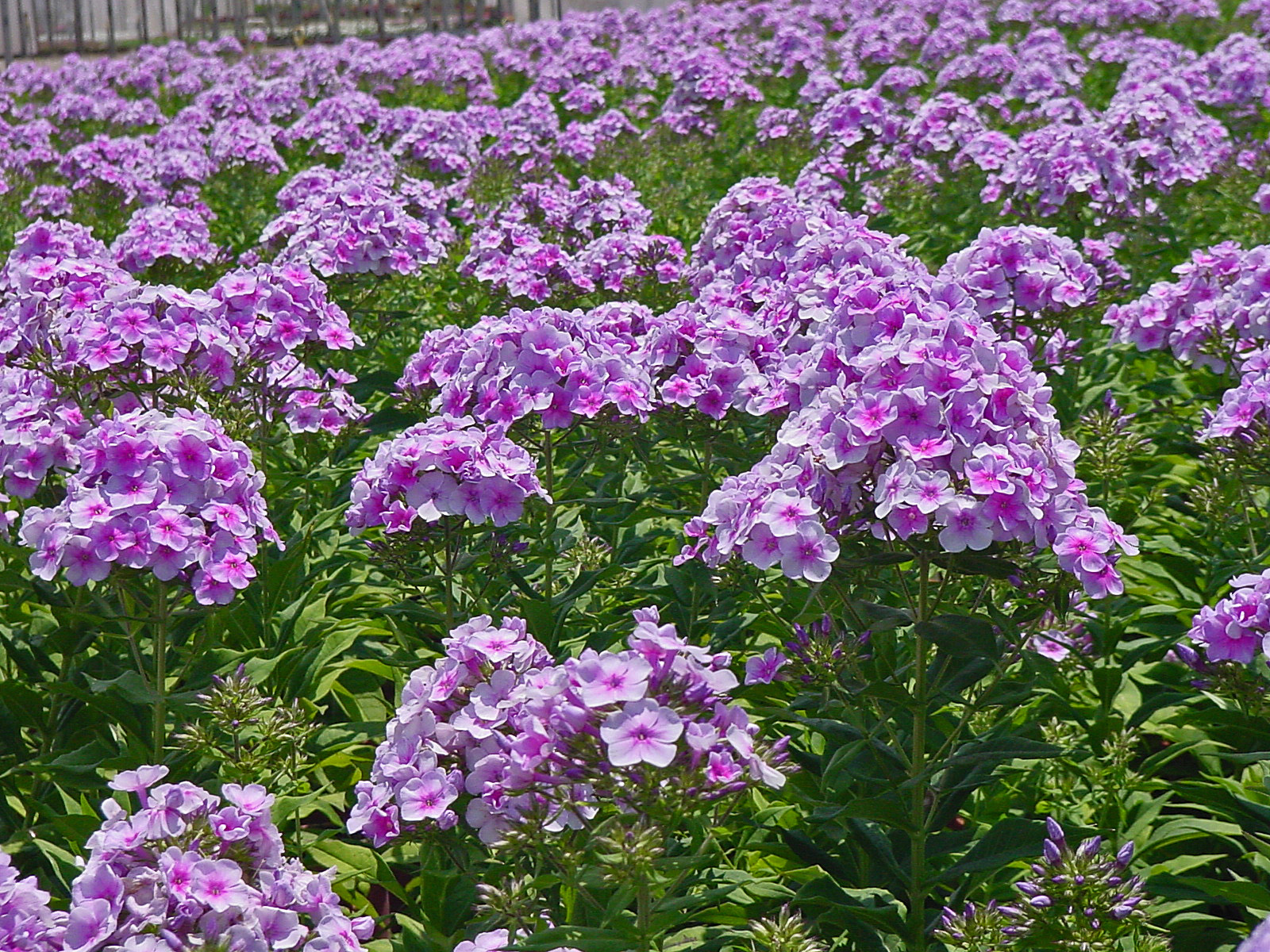
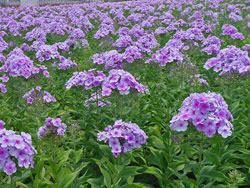
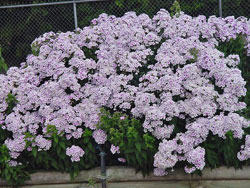
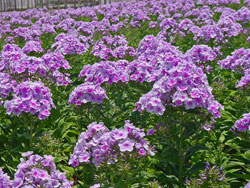
To attract butterflies to a summer garden, try planting summer phlox, Phlox paniculata. These flowers - 'John Fanick' and 'Victoria' summer phlox - have just been named Texas Superstars™ by Texas A&M University, which means they will be top performers in the garden. In midsummer, when spring flowers have faded, summer phlox will bring clouds of butterflies to your garden and even attract a few hummingbirds. In addition, you will have bouquets of fragrant flowers that can be used as cut flowers.
Phlox paniculata is native in the eastern third of the United States. In the 1700s, Europeans settling in that area found these plants growing wild in damp meadows, along forest edges, and in the rich soils of flood plains, and saw their potential as garden plants. Their showy, fragrant flowers quickly became a hit throughout Europe and, by the mid-1800s, were commonly available in the nursery trade. By the 1950s, hundreds of varieties were available, thanks to breeding programs in England, Russia, Germany and Holland. As a result, many varieties were planted throughout Europe and North America, but in the intervening years, many of these have disappeared from the commercial trade.
Although summer phlox is common to old gardens throughout the southeastern United States, the number of varieties found in old Texas gardens is limited. Most introduced varieties are prone to powdery mildew and spider mites, and do not tolerate the heat of Texas summers.
In the early 1990s, Greg Grant, a premier plantsman in the south, observed a row of summer phlox growing in St Augustine grass, half under a live oak and half in the sun in southeast San Antonio. These flowers had clusters of light pink flowers with a darker pink throat.
Grant obtained plants from the homeowner and included them in a Texas Superstar trial of summer phlox.
During the same time period, Dr. Jerry Parsons, Extension horticulture specialist in San Antonio, found another phlox with magenta pink blossoms in a old San Antonio garden; it was included in the trial as well.
Results of those trials at several locations across the state indicated that these were the top performing summer phlox. However, we had no name for either plant.
When John Fanick of Fanick's Nursery in San Antonio died suddenly, we decided to name one plant in honor of John and promote it as 'John Fanick' phlox.
The other summer phlox was named 'Victoria.' In addition to the different flower color, the major distinguishing features of 'Victoria' is a lighter green foliage and a more open growth habit than 'John Fanick.'
In general, summer phlox prefer fertile soils high in organic matter, but both 'John Fanick' and 'Victoria' perform fairly well in less desirable situations. Both cultivars are reliably perennial throughout the state of Texas. These perennials can grow to more than 3 feet in height, but fertility will greatly influence ultimate plant size.
Both cultivars can grow in light shade, but are best in full sun. Although both cultivars are tolerant of powdery mildew, planting in areas of good air circulation (space well and thin out stems as needed) will lessen any potential powdery mildew problems. Avoiding overhead watering will also lessen any disease problems.
A summer mulch which helps keep the root zone cool is beneficial. To encourage reblooming and keep the plants tidy, shear after the first bloom cycle. In winter, cut them to the ground after the first severe frost, and apply a little lawn fertilizer in the spring. To propagate, divide clumps in the spring or take tip cuttings in spring and early summer. Neither variety comes true from seed.
The 'John Fanick' phlox has been evaluated as a cut flower as well. With no treatment, 'John Fanick' phlox flowers have a vase life of seven to 10 days, but with experimental treatments, vase life has been extended dramatically, with some treatments resulting in more than 14 days vase life